
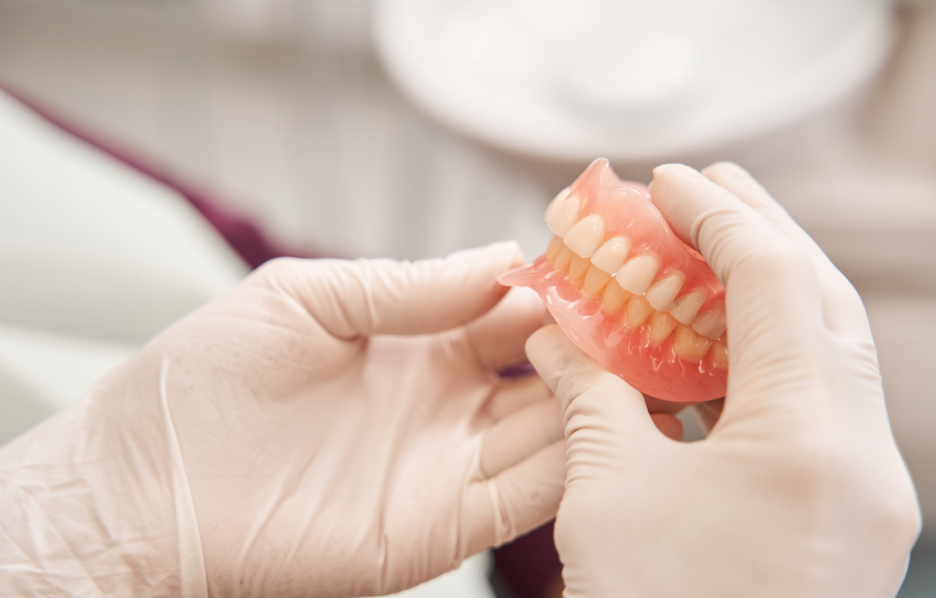
Losing teeth can affect more than just your smile—it can change the shape of your jaw and your ability to chew and speak comfortably. Over time, the jawbone naturally begins to shrink in the areas where teeth are missing, a process known as bone resorption. For individuals who have been without teeth for several years, this can raise the question: is it still possible to get dentures? The answer is yes, with modern dental techniques and customized treatment plans.
How Bone Loss Impacts Dentures
When teeth are removed, the jawbone no longer receives stimulation from chewing, which can cause it to gradually shrink. Significant bone loss may make traditional dentures fit less securely and reduce stability, leading to discomfort or difficulty eating certain foods. Dentures rely on the contours of your gums and jaw for support, so less bone can sometimes make standard dentures harder to wear comfortably.
Options for Dentures With Bone Loss
Even with bone loss, there are solutions that allow patients to enjoy the benefits of dentures. Traditional full or partial dentures can often be adjusted or relined to fit changing jaw structures. Dentists carefully assess the shape and density of your jaw to create a custom denture that provides the best fit possible.
For patients with significant bone loss, implant-supported dentures may offer a more stable solution. These dentures are anchored to dental implants placed in the jaw, which can help preserve remaining bone and prevent further resorption. Implant dentures often feel more secure than traditional removable dentures and allow for improved chewing and speaking function.
Bone Grafting: Rebuilding Your Foundation
In some cases, patients may require a bone graft before receiving dentures, particularly implant-supported options. Bone grafting involves adding bone material to areas of the jaw that have deteriorated, creating a solid foundation for implants. Modern dental techniques make this procedure relatively straightforward, and it can significantly improve the long-term success and comfort of dentures.
Maintaining Oral Health With Dentures
Whether you choose traditional or implant-supported dentures, good oral hygiene and regular dental checkups are essential. Dentures should be cleaned daily, and your dentist will monitor your jaw health to ensure proper fit and function. For implant-supported dentures, it’s also important to maintain healthy gums and surrounding tissues to maximize the longevity of your restoration.
Even if you’ve been without teeth for years, dentures can restore your smile, improve your ability to eat, and enhance your overall quality of life. Advances in dental technology, including bone grafting and implant-supported dentures, make it possible to overcome challenges posed by bone loss and enjoy a comfortable, functional, and natural-looking smile.
About the Practice
Dr. Thomas Gromling provides comprehensive dental care, including full and partial dentures as well as implant-supported solutions. Our team combines modern dental technology with a patient-focused approach to restore smiles and improve oral health. From initial consultations to custom-fitted dentures, Dr. Gromling helps patients regain confidence and function in their daily lives.
Call us at (540) 869-4377 or schedule your appointment online.