
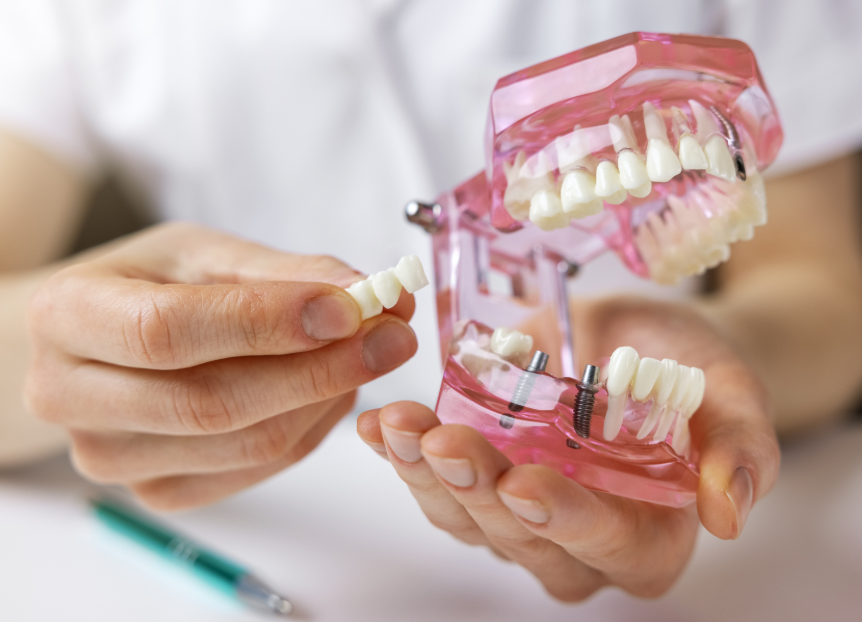
A dental bridge is designed to replace missing teeth and restore your ability to eat, speak, and smile comfortably. Because bridges are cemented into place, many people assume they are permanent and never expect one to come loose or fall out.
If your dental bridge does come out, it can feel alarming, but it is important not to panic. In many cases, the bridge may still be repairable or able to be recemented. However, it is still considered a dental emergency and should be evaluated by a dentist as soon as possible.
Even if you are not experiencing pain, a missing bridge can leave the supporting teeth exposed and vulnerable to damage, sensitivity, decay, or shifting.
Why Dental Bridges Fall Out
Dental bridges can loosen or fall out for several reasons. One common cause is normal wear and tear over time. The cement holding the bridge in place can gradually weaken after years of chewing and daily use.
Another possible reason is tooth decay developing underneath the bridge. The supporting teeth, called abutment teeth, can become weakened if bacteria and plaque build up around the edges of the restoration. If the supporting teeth are damaged, the bridge may no longer fit securely.
Teeth grinding and clenching can also place excessive pressure on dental restorations. This constant force may loosen the bridge or damage the supporting teeth over time.
In some situations, trauma or biting into something especially hard or sticky may dislodge the bridge unexpectedly.
What You Should Do Right Away
If your dental bridge falls out, the first step is to carefully remove it from your mouth if it is still partially attached. Avoid forcing it back into place yourself, as this could damage the bridge or the surrounding teeth.
Rinse the bridge gently with water and store it in a clean container so you can bring it to your appointment. In some cases, your dentist may be able to reuse the same bridge if it is still in good condition.
Next, contact an emergency dentist as soon as possible to schedule an evaluation.
While waiting for your appointment, try to avoid chewing on the affected side of your mouth. Stick to softer foods and avoid anything especially sticky, crunchy, or hard.
If the exposed teeth feel sensitive, you may find temporary relief by avoiding very hot or cold foods and drinks.
Why You Shouldn’t Delay Treatment
It may be tempting to wait a few days if the bridge is not causing discomfort, but delaying treatment can create additional problems.
Without the bridge in place, neighboring teeth can begin shifting into the empty space. Even small movements can affect your bite and make it more difficult for the bridge to fit properly later.
The exposed supporting teeth are also more vulnerable to decay, fractures, and sensitivity. If bacteria enter underneath the area, the damage may worsen quickly.
In some cases, a bridge that could have been easily recemented may eventually need complete replacement if treatment is delayed too long.
Prompt care gives your dentist the best chance of preserving both the restoration and the health of the supporting teeth.
How to Help Your Bridge Last Longer
Although dental bridges are durable, proper care plays a major role in how long they last.
Brushing twice daily, flossing carefully around the bridge, and keeping up with regular dental visits can help prevent decay and gum problems around the supporting teeth.
If you grind your teeth at night, your dentist may also recommend wearing a custom nightguard to reduce pressure on your restoration.
Most importantly, never ignore changes like looseness, shifting, or unusual sensitivity around a bridge. Catching problems early can often prevent more complicated repairs later.
Quick action can make a big difference when it comes to protecting your smile and restoring your comfort.
About the Practice
Dr. Thomas A. Gromling ensures patients receive compassionate, personalized dental care for every stage of their oral health journey. Our team provides preventive, restorative, cosmetic, and emergency dental services, including treatment for damaged or missing teeth. Whether you need urgent care for a loose restoration or are exploring tooth replacement options, we are committed to helping patients maintain healthy, confident smiles in a welcoming environment.
Call us at (540) 869-4377 or schedule your appointment online.